Classic Barbering: Tradition Meets Modern Style
In a world where trends come and go, classic barbering stands as a timeless art form. The barbershop is more than just a place to get a haircut; it is a sanctuary where tradition meets modern style. The scent of aftershave, the sound of clippers buzzing, and the warm chatter of clients create an atmosphere that is both nostalgic and refreshing.
This blog post will explore the rich history of barbering, the techniques that have stood the test of time, and how modern barbers are blending these traditions with contemporary styles. Whether you are a seasoned barber or someone looking to understand the craft, this post will provide valuable insights into the world of classic barbering.
The History of Barbering
Barbering has a long and storied history that dates back thousands of years. Ancient Egyptians were among the first to practice barbering, using sharpened stones and seashells to groom themselves.
In ancient Rome, barbershops became social hubs where men gathered to discuss politics and philosophy. The barber was not just a stylist but also a confidant. This tradition continued through the Middle Ages, where barbers also performed surgeries and dental work.
Today, barbering has evolved, but the essence of the craft remains. The classic barbering techniques are still relevant, and many barbershops are embracing this heritage while incorporating modern styles.
Classic Techniques
Classic barbering techniques are the foundation of the craft. Here are some of the most important methods that every barber should master:
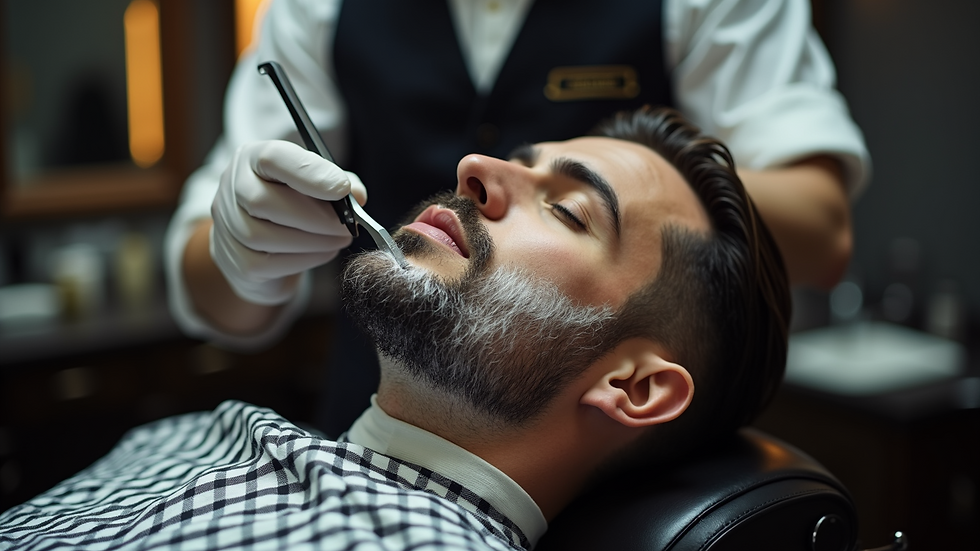
The Straight Razor Shave
The straight razor shave is a hallmark of classic barbering. This technique requires skill and precision.
Preparation: The skin must be prepped with warm towels to open the pores.
Lathering: A rich lather is created using a brush and shaving soap.
Shaving: The barber uses a straight razor to carefully shave the hair, following the grain for a smooth finish.
This method not only provides a close shave but also offers a luxurious experience that many clients cherish.
Scissor Over Comb
The scissor over comb technique is essential for achieving clean, blended haircuts.
Technique: The barber holds the comb at an angle and uses scissors to cut the hair above the comb.
Result: This method allows for precise control and is perfect for creating fades and textured looks.
Mastering this technique can elevate a barber's skill set and enhance the overall quality of haircuts.
The Fade
Fades are a popular modern style that has roots in classic barbering.
Types of Fades: There are several types of fades, including low, mid, and high fades.
Execution: A fade involves gradually shortening the hair from the top to the sides and back.
This technique requires a keen eye for detail and a steady hand. A well-executed fade can transform a simple haircut into a stylish statement.
Modern Styles
While classic techniques are essential, modern barbers are also embracing new styles and trends. Here are some popular modern looks that blend tradition with contemporary flair:
The Pompadour
The pompadour is a classic style that has made a comeback in recent years.
Description: This style features longer hair on top, styled back and upward, with shorter sides.
Styling: Barbers use pomade or wax to achieve the desired hold and shine.
The pompadour is versatile and can be adapted for various hair types and lengths.
The Undercut
The undercut is another modern style that has gained popularity.
Description: This look features short sides and back, with longer hair on top.
Styling: The top can be styled in various ways, from slicked back to messy and textured.
The undercut allows for creativity and personal expression, making it a favorite among younger clients.
Textured Crop
The textured crop is a low-maintenance style that works well for many hair types.
Description: This cut features short hair on the sides and back, with slightly longer hair on top that is textured for a natural look.
Styling: A bit of product can enhance the texture and provide a casual, effortless appearance.
This style is perfect for clients who want a stylish look without the need for extensive styling.
The Barbershop Experience
A visit to the barbershop is about more than just a haircut. It is an experience that combines skill, tradition, and community.
Atmosphere
The atmosphere of a barbershop plays a significant role in the overall experience.
Design: Many barbershops feature vintage decor, comfortable seating, and a welcoming vibe.
Community: Barbershops often serve as gathering places for friends and neighbors, fostering a sense of community.
Creating a warm and inviting atmosphere can enhance the client experience and encourage repeat visits.
Customer Service
Exceptional customer service is crucial in the barbering industry.
Consultation: A good barber takes the time to consult with clients about their desired styles and preferences.
Follow-Up: After the haircut, barbers should check in with clients to ensure they are satisfied with the result.
Building strong relationships with clients can lead to loyalty and word-of-mouth referrals.
Tools of the Trade
Every barber needs the right tools to perform their craft effectively. Here are some essential tools that every barber should have:
Clippers
Clippers are a barber's best friend.
Types: There are various types of clippers, including corded and cordless options.
Maintenance: Regular cleaning and oiling are essential to keep clippers in top condition.
Investing in high-quality clippers can make a significant difference in the quality of haircuts.
Scissors
A good pair of scissors is crucial for precision cutting.
Types: Barbers should have both straight and thinning scissors in their toolkit.
Care: Keeping scissors sharp and well-maintained is essential for achieving clean cuts.
Quality scissors can enhance a barber's ability to create various styles.
Combs and Brushes
Combs and brushes are essential for styling and cutting hair.
Variety: Different combs serve different purposes, from wide-toothed combs for detangling to fine-toothed combs for precision cutting.
Maintenance: Regular cleaning helps maintain hygiene and effectiveness.
Having a variety of combs and brushes allows barbers to cater to different hair types and styles.
The Future of Barbering
As we look to the future, barbering will continue to evolve.
Embracing Technology
Technology is playing a larger role in the barbering industry.
Online Booking: Many barbershops now offer online booking systems for convenience.
Social Media: Barbers are using social media to showcase their work and connect with clients.
Embracing technology can help barbers stay relevant and attract new clients.
Sustainability
Sustainability is becoming increasingly important in all industries, including barbering.
Eco-Friendly Products: Many barbers are opting for eco-friendly products and practices.
Waste Reduction: Implementing waste reduction strategies can benefit both the environment and the business.
Being mindful of sustainability can attract environmentally conscious clients.
A Timeless Craft
Classic barbering is a beautiful blend of tradition and modern style.
Barbers who master the classic techniques while embracing contemporary trends can create a unique experience for their clients.
As the industry continues to evolve, the essence of barbering remains the same: it is about skill, community, and creating a space where everyone feels welcome.
Whether you are a barber or a client, the world of classic barbering offers something for everyone.
In the end, classic barbering is not just about haircuts; it is about connection, tradition, and style. Embrace the art of barbering, and you will find that it is a journey worth taking.


Comments